
AFCON 2027 will be a historic tournament as it will be co-hosted by Uganda, Kenya,…
Gorilla Trekking in Uganda: An Immersive Wildlife Adventure with Luxland Africa Vacations
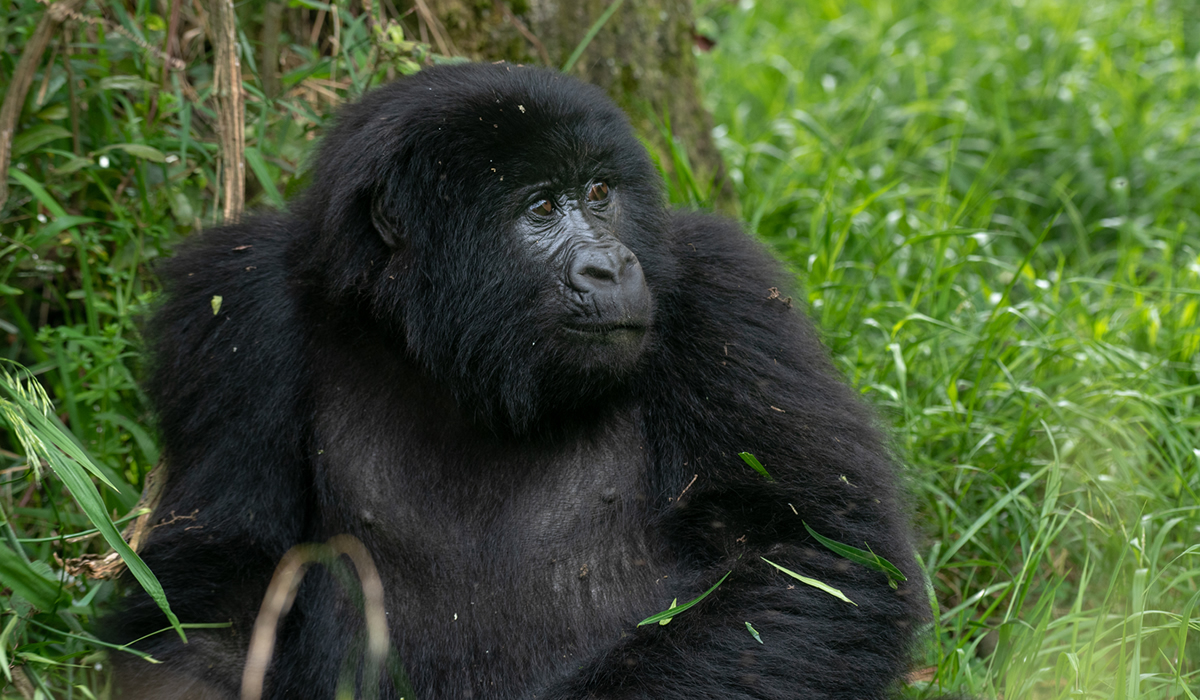
Gorilla trekking in Uganda is one of the most awe-inspiring wildlife experiences in the world, offering travellers a unique opportunity to witness the gentle giants of the forest up close. Known as the Pearl of Africa, Uganda is home to over half of the world’s remaining mountain gorillas, found primarily in Bwindi Impenetrable National Park and Mgahinga Gorilla National Park. For travelers seeking adventure, wildlife encounters, and cultural immersion, gorilla trekking provides an unforgettable journey that combines physical challenge, breathtaking scenery, and deep emotional connection with nature.
Prime Gorilla Trekking Destinations in Uganda
Bwindi Impenetrable National Park
Bwindi is a UNESCO World Heritage Site and the most renowned gorilla trekking destination in Uganda. Spanning approximately 321 square kilometers of ancient rainforest, Bwindi is home to more than 400 mountain gorillas, spread across 12 habituated gorilla families. Popular families for trekking include Mubare, Rushegura, Habinyanja, and Busingye.
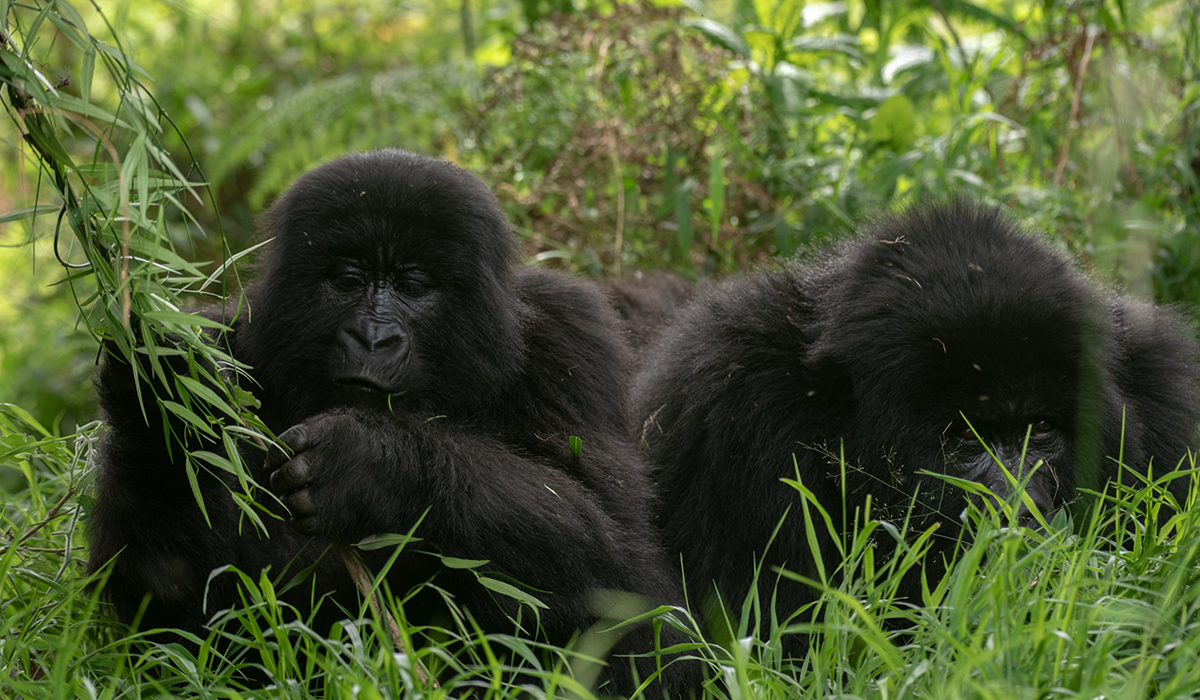
Trekking in Bwindi is both physically rewarding and scenically spectacular. Hikes vary from 2 to 6 hours, depending on the location of the gorilla family and trail conditions. Trekkers move through dense forests, steep slopes, and sometimes muddy terrain, guided by expert park rangers who provide insights into gorilla behavior, forest ecology, and conservation efforts. The reward is an intimate encounter with gorillas feeding, playing, grooming, and interacting in family groups a moment that few travelers ever forget.
Mgahinga Gorilla National Park
Mgahinga, located in southwestern Uganda along the borders of Rwanda and the Democratic Republic of Congo, is a smaller but equally remarkable park. Covering 33.7 square kilometers, Mgahinga is home to the endangered mountain gorilla and features the stunning backdrop of the Virunga Volcanoes, offering hikers a combination of gorilla trekking and scenic volcanic landscapes.
Due to its smaller size and fewer visitors, Mgahinga provides a more tranquil trekking experience, ideal for travelers who prefer privacy and a serene atmosphere. The park also offers volcano hiking, golden monkey tracking, and birdwatching, making it a versatile destination for wildlife and adventure enthusiasts.
The Gorilla Trekking Experience
Gorilla trekking is more than a hike; it is a journey into the heart of Africa’s last remaining tropical rainforests. Trekkers begin early in the morning with a pre-trek briefing from trained guides, covering safety protocols, trail expectations, and gorilla etiquette. As visitors navigate the forest, they may encounter rare birds, butterflies, and other wildlife, all while listening to guides explain the intricate balance of the ecosystem.
The moment gorillas are located is magical. Trekkers spend up to one hour observing the gorillas, taking photos, and learning from guides about their social structures, habits, and behaviors. Watching infants cling to their mothers, silverbacks patrol their territory, and gorillas playfully interact with one another creates a deeply moving experience that resonates with travelers long after they leave the forest.
Conservation and Community Impact
Gorilla trekking fees are directly invested into conservation and community development. Uganda Wildlife Authority uses funds to maintain park infrastructure, support anti-poaching patrols, and sustain the livelihoods of communities living near the gorilla habitats. Tourism provides an essential incentive for forest and gorilla preservation, ensuring that future generations can experience these incredible creatures in the wild.
Local communities also benefit through employment opportunities, cultural tourism, and sustainable business initiatives. Visitors can participate in community visits, learn about traditional crafts such as basket weaving, pottery, and agriculture, and witness cultural practices, making gorilla trekking not only an ecological but also a socially responsible experience.
Best Time for Gorilla Trekking
Uganda’s climate allows for year-round trekking, but the dry seasons (June to September and December to February) are most ideal. Trails are more accessible, forest undergrowth is thinner, and wildlife spotting is often better. The rainy seasons (March-May and October-November) are still suitable for trekking but require sturdy hiking boots, rain gear, and careful navigation of muddy paths.
Practical Tips for Gorilla Trekking
- Fitness Level: Treks require moderate physical fitness due to uneven terrain and steep slopes.
- Essential Gear: Wear long-sleeved shirts, trousers, and hiking boots. Bring rain gear, gloves, insect repellent, water, snacks, and a camera.
- Guided Experience: Always trek with certified guides to ensure safety and a rewarding encounter.
- Wildlife Etiquette: Maintain a safe distance of at least 7 meters from gorillas, avoid sudden movements or loud noises, and follow all instructions from your guides.
- Health Considerations: Trekkers should be free from contagious illnesses to protect the gorillas’ sensitive immune systems.
Why Gorilla Trekking is a Must-Do Experience
Gorilla trekking in Uganda is a once-in-a-lifetime adventure that combines physical challenge, immersive wildlife observation, and cultural connection. The sight of a silverback gorilla commanding its family, the playful antics of infants, and the peaceful forest sounds create an experience unlike any other. It is an opportunity not only to witness nature’s beauty but also to contribute to conservation and community empowerment.
With Luxland Africa Vacations, travelers can design custom itineraries that combine gorilla trekking with other Ugandan adventures, such as safaris in Queen Elizabeth and Murchison Falls National Parks, adrenaline activities in Jinja, Lake Victoria boat cruises, and cultural tours in Kampala and rural communities.
Gorilla trekking is truly Uganda’s crown jewel of tourism an adventure that leaves an indelible mark on every traveller fortunate enough to experience it.
Related Posts