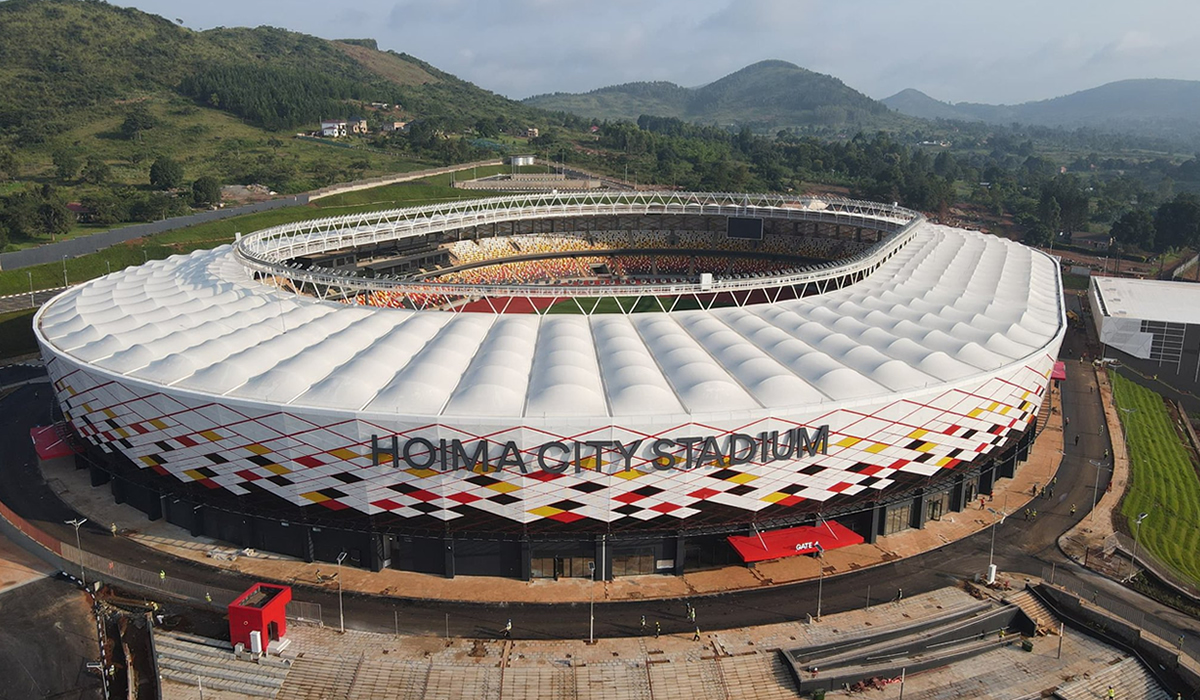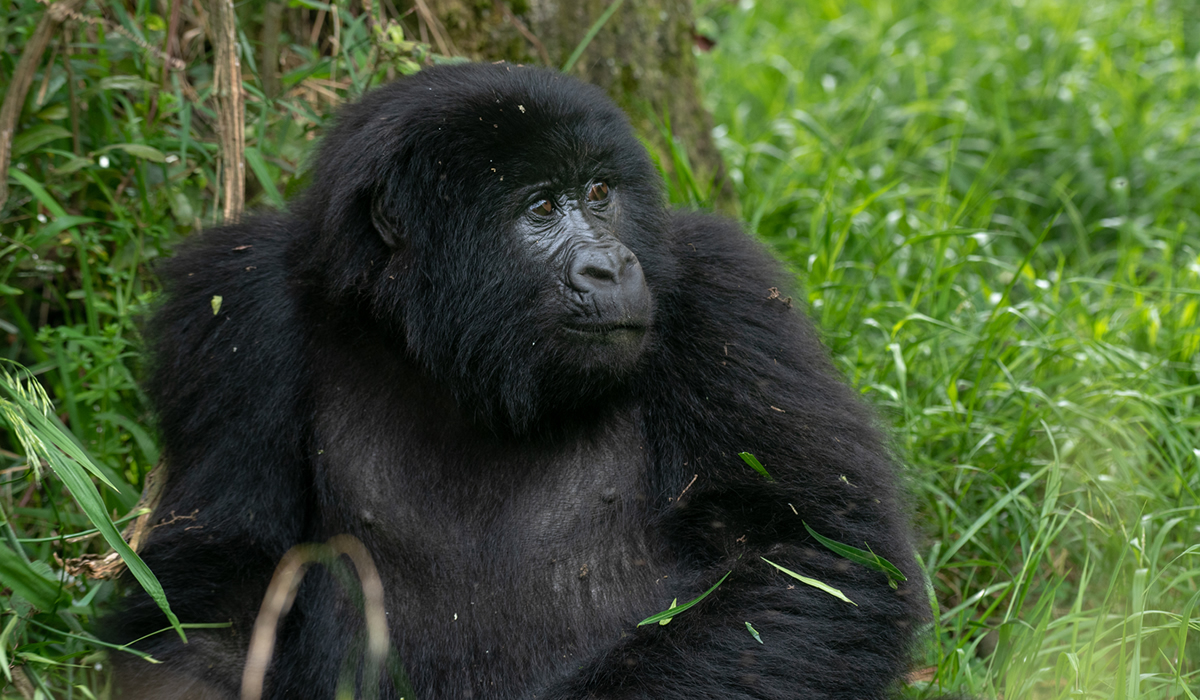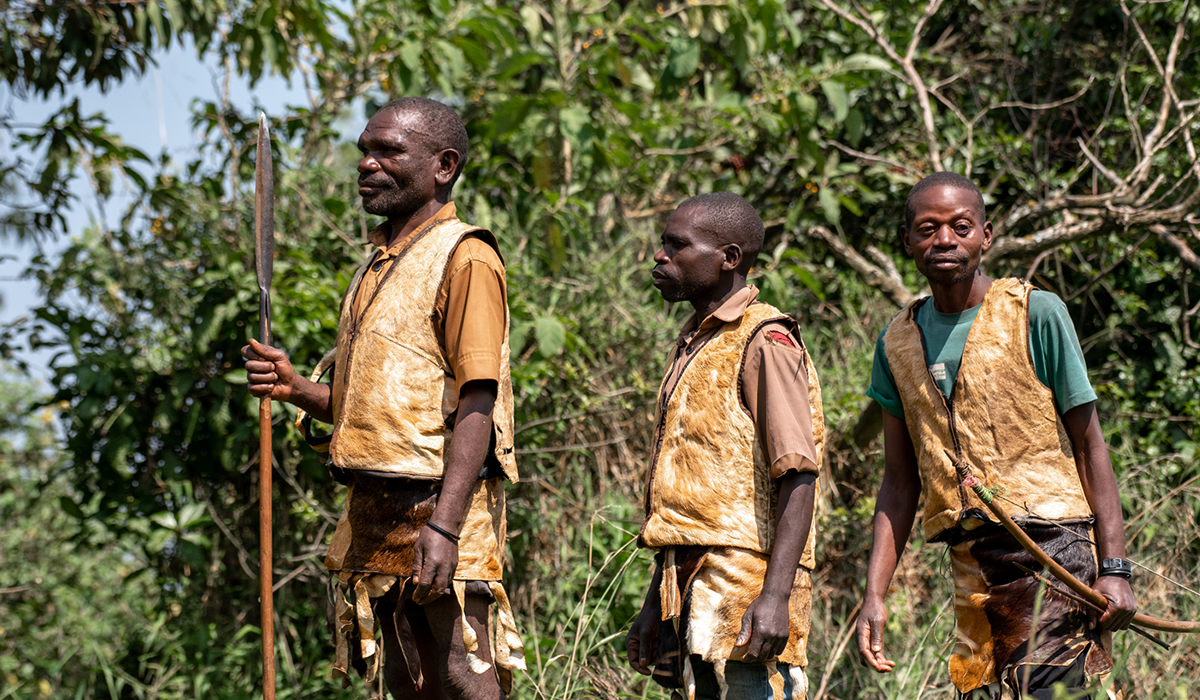

AFCON 2027 will be a historic tournament as it will be co-hosted by Uganda, Kenya,…
Tour Activities in Queen Elizabeth National Park
Queen Elizabeth National Park is one of Uganda’s most famous and diverse safari destinations. Located in the western part of the country, it spans approximately 1,978 square kilometers, stretching from the foothills of the Rwenzori Mountains to the shores of Lake Edward and Lake George. The park is known for its remarkable variety of landscapes rolling savannahs, tropical forests, crater lakes, wetlands, and open woodlands which host an incredible array of wildlife, making it a must-visit for nature lovers and adventure seekers.
Queen Elizabeth National Park boasts over 95 mammal species and more than 600 bird species, making it one of the most biodiverse protected areas in Africa. It’s also home to the famous tree-climbing lions of Ishasha, scenic Kazinga Channel boat cruises, and spectacular Crater Lake views.
Below is a detailed guide to the top activities travellers can enjoy during their visit.
-
Game Drives – Wildlife Viewing on the Savanna
Game drives in Queen Elizabeth National Park are among the park’s main highlights, offering visitors the chance to explore its vast plains and observe a variety of wildlife.
The most popular game drive areas include the Kasenyi Plains, Ishasha Sector, and the North Kazinga Plains.
Early morning and evening drives are ideal for spotting elephants, buffaloes, Uganda kobs, waterbucks, topis, warthogs, and predators like lions, leopards, and hyenas.
The Kasenyi Plains, located near Lake George, are particularly scenic and provide excellent opportunities for photography especially during sunrise when animals are most active.
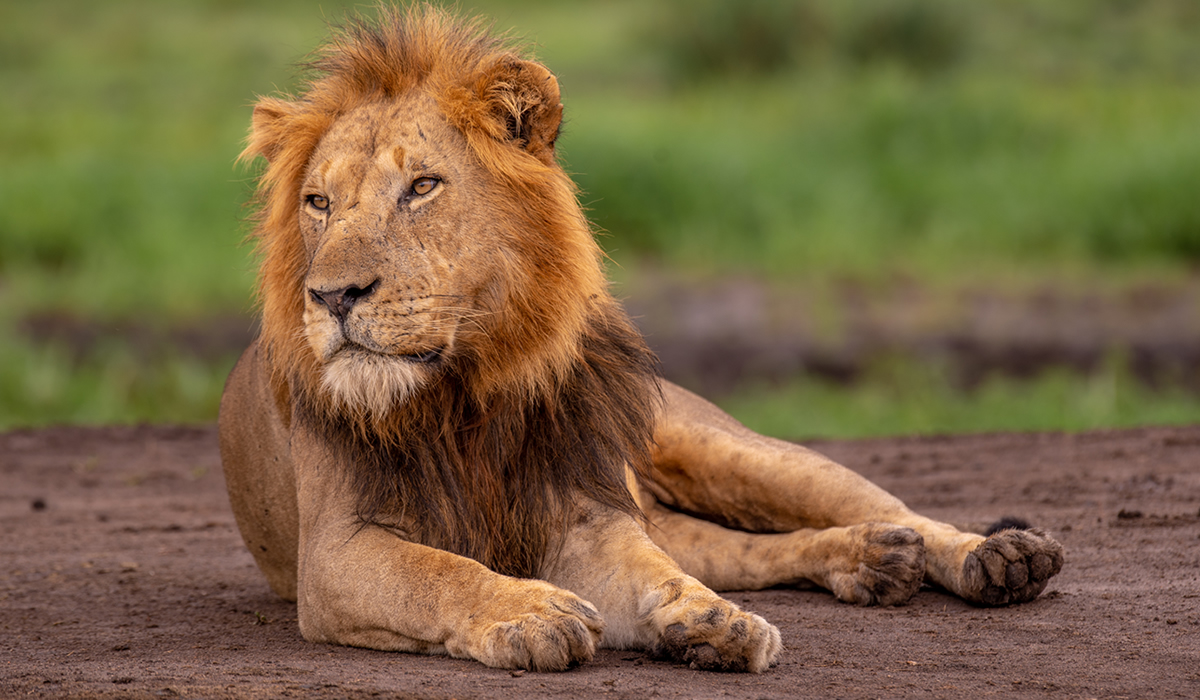
In the Ishasha Sector, visitors can witness the park’s unique tree-climbing lions, often lounging on the branches of fig and acacia trees, a behavior rarely observed elsewhere in Africa.
Guided game drives with Uganda Wildlife Authority rangers are available, and private tours can be arranged for smaller groups seeking a personalised experience.
-
Boat Cruise on the Kazinga Channel
A boat cruise on the Kazinga Channel is one of the most rewarding experiences in Queen Elizabeth National Park. The 40-kilometer natural channel connects Lake Edward and Lake George, providing a vital watering area for countless animals.
The cruise, typically lasting 2–3 hours, offers close-up views of hippos, crocodiles, elephants, buffaloes, and various antelope species gathered along the banks.
Birdwatchers can enjoy spectacular sightings of African fish eagles, pied kingfishers, pelicans, African skimmers, and cormorants.
The cruise is run by both the Uganda Wildlife Authority (UWA) and Mweya Safari Lodge, with departures in the morning and afternoon. The afternoon cruise is especially popular for its golden light and abundant wildlife activity, making it perfect for photography.
-
Lion Tracking Experience (Experiential Tourism)
For travelers seeking a more interactive adventure, the Lion Tracking Experience is a must-do activity. Conducted by the Uganda Wildlife Authority’s research team, this activity allows visitors to join researchers as they track and monitor lions fitted with radio collars.
This unique experience provides close encounters with lions in the wild and gives participants insights into their social behavior, territorial movements, and conservation challenges.
The tracking takes place in the Kasenyi Plains and lasts about 2–3 hours, limited to small groups to ensure minimal disturbance to the animals.
It’s an authentic conservation-based safari that combines research, education, and adventure.
-
Chimpanzee Tracking in Kyambura Gorge
Known as the “Valley of the Apes,” Kyambura Gorge is a lush tropical forest hidden within the vast savannah of Queen Elizabeth National Park. The 16-kilometer-long gorge, carved by the Kyambura River, provides a dramatic setting for chimpanzee tracking and forest exploration.
Guided walks take visitors deep into the gorge to search for chimpanzees, which live alongside other primates such as red-tailed monkeys, black-and-white colobus monkeys, baboons, and a variety of forest birds.
Tracking sessions last 2–4 hours, depending on the chimpanzees’ movement, and provide an unforgettable experience as you listen to their calls echoing through the forest canopy.
Besides chimpanzees, visitors enjoy learning about the gorge’s vegetation, geological history, and unique microclimate that contrasts with the surrounding dry plains.
-
Bird Watching – A Haven for Bird Lovers
Queen Elizabeth National Park is a premier birding destination, recognized as an Important Birding Area (IBA) by BirdLife International. With over 600 recorded bird species, it is one of the most species-rich birding destinations in Africa.
Birding hotspots include the Kazinga Channel, Maramagambo Forest, Mweya Peninsula, Lake Kikorongo, and the Ishasha Sector.
Key species include the African skimmer, grey-headed kingfisher, saddle-billed stork, African fish eagle, shoebill stork, black bee-eater, papyrus gonolek, and flamingos (occasionally seen at Katwe Salt Lake).
Bird watching can be done on game drives, boat cruises, or guided nature walks, and professional birding guides are available to assist enthusiasts with identification and photography.
-
Nature Walks and Hiking Adventures
Nature walks in Queen Elizabeth National Park offer a more intimate encounter with the park’s landscapes and wildlife. Visitors can explore several designated walking trails under the guidance of armed rangers and community guides.
Popular sites include the Mweya Peninsula Nature Trail, Maramagambo Forest, Kasenyi Salt Lake, and Lake Katwe Crater Fields.
These walks allow guests to observe smaller creatures, birds, butterflies, and learn about the park’s plants, insects, and ecosystems.
At Maramagambo Forest, nature walks lead to the famous bat caves, which host thousands of bats and pythons that feed on them a fascinating sight for adventurous visitors.
-
Visit to the Explosion Crater Lakes
The Katwe Explosion Crater Lakes are among the most scenic features in the park. Formed by ancient volcanic activity, these craters now host saltwater and freshwater lakes surrounded by stunning hills and viewpoints.
The Crater Drive on the Mweya–Katwe road offers panoramic views of the Crater Lakes, Rwenzori Mountains, and the Western Rift Valley Escarpment.
Visitors can also stop by Lake Katwe Salt Works, where locals continue the traditional method of salt extraction that dates back centuries.
The area offers a perfect blend of natural beauty, geology, and cultural heritage.
-
Cultural Encounters and Community Tourism
Queen Elizabeth National Park is surrounded by vibrant communities that offer rich cultural experiences. Visitors can engage in authentic cultural encounters, including music, dance, and storytelling performed by local groups such as the Kikorongo Women Community, Katwe Village, and Agule Community.
These experiences showcase the traditions of the Bakonzo, Basongora, and Banyankole people, including basket weaving, traditional food preparation, and dance performances.
A visit to Katwe Salt Lake Village is particularly fascinating, offering insight into local livelihoods as residents harvest salt using age-old techniques passed down through generations.
Participating in community tourism supports sustainable development and helps protect the park’s ecosystem through conservation partnerships.
-
Ishasha Tree-Climbing Lions Experience
The Ishasha Sector, located in the southern part of the park near the border with the Democratic Republic of Congo, is famous for its tree-climbing lions one of the few places in Africa where this behavior is observed.
These lions are often seen resting on the branches of fig and acacia trees during the heat of the day, a sight that has become symbolic of the park.
The Ishasha Sector also hosts large herds of topis, buffaloes, elephants, and numerous bird species.
Game drives in Ishasha offer a quieter, more exclusive safari experience compared to the busier northern sector of the park.
-
Scenic Viewing and Photography
Queen Elizabeth National Park is a paradise for photographers. The park’s diverse terrain open grasslands, crater lakes, wetlands, forests, and the backdrop of the snow-capped Rwenzori Mountains provides endless opportunities for landscape and wildlife photography.
The Mweya Peninsula, Kazinga Channel, Explosion Craters, and Ishasha Plains are among the best spots for scenic views and sunset photography.
Visitors can also capture the vibrant local culture and colorful birdlife that define this iconic Ugandan safari destination.
-
Hot Air Balloon Safari
For a truly unique experience, visitors can take part in a hot air balloon safari, operated by Dream Balloons Uganda in partnership with the Uganda Wildlife Authority.
The flight takes off in the Kasenyi area at dawn, offering breathtaking aerial views of the park’s rolling plains, crater lakes, and wildlife below.
After the flight, guests enjoy a champagne bush breakfast in the savannah a luxurious and unforgettable way to experience Queen Elizabeth National Park from above.
-
Visits to the Equator and Surrounding Attractions
On your way to or from Queen Elizabeth National Park, travelers can stop at the Uganda Equator Monument in Kayabwe or the Kasese Equator Crossing, where they can take photos and perform the famous “water swirl” experiment demonstrating the Coriolis effect.
Nearby attractions also include the Rwenzori Mountains National Park, perfect for hiking and mountaineering adventures, and Kibale National Park, known for chimpanzee tracking allowing visitors to combine multiple destinations within western Uganda’s safari circuit.
Queen Elizabeth National Park offers an unforgettable safari experience that blends wildlife, culture, and natural beauty. From cruising along the hippo-filled Kazinga Channel to tracking lions and chimpanzees, every activity reveals a new layer of Uganda’s incredible biodiversity. Whether you’re a wildlife enthusiast, photographer, birder, or adventure traveller, Queen Elizabeth National Park delivers some of the most rewarding experiences in East Africa.
It is truly a destination where Africa’s beauty, culture, and wilderness come alive.
Related Posts