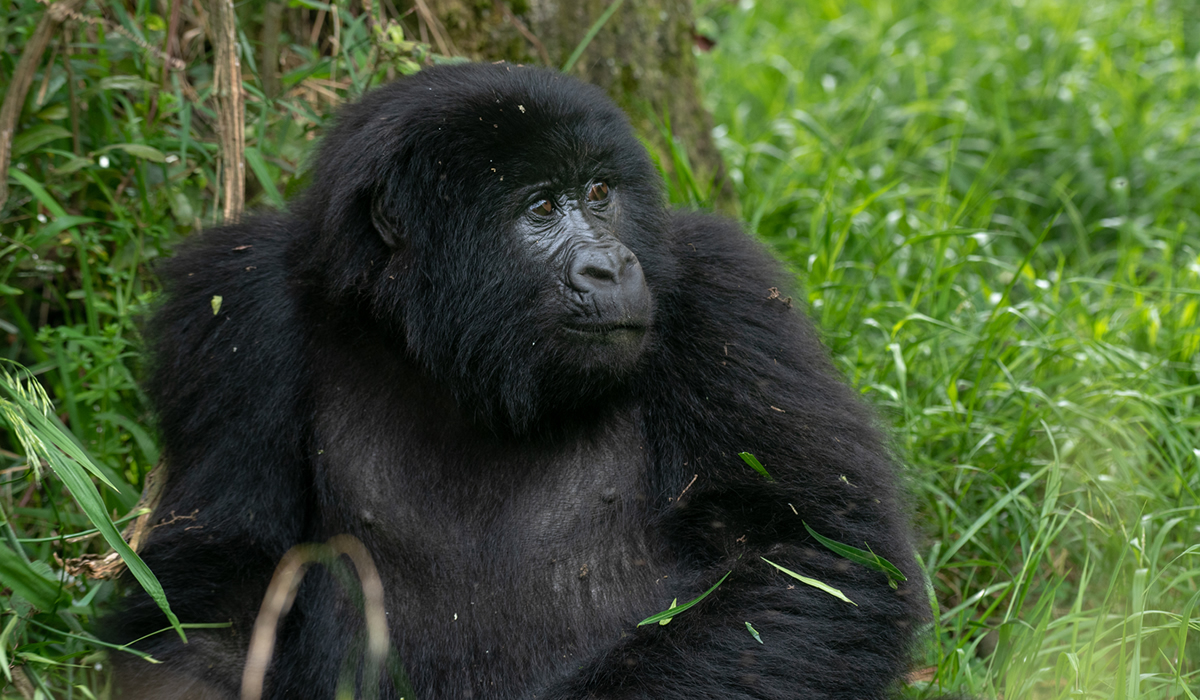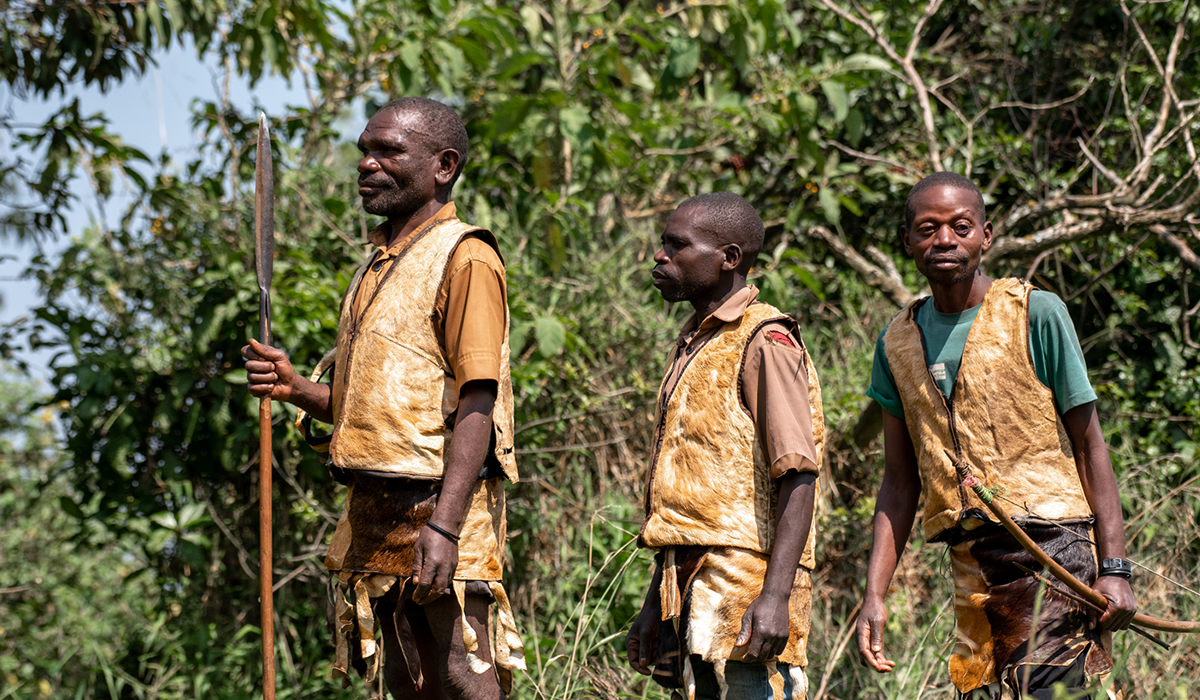

AFCON 2027 will be a historic tournament as it will be co-hosted by Uganda, Kenya,…
Tree-Climbing Lions in Uganda
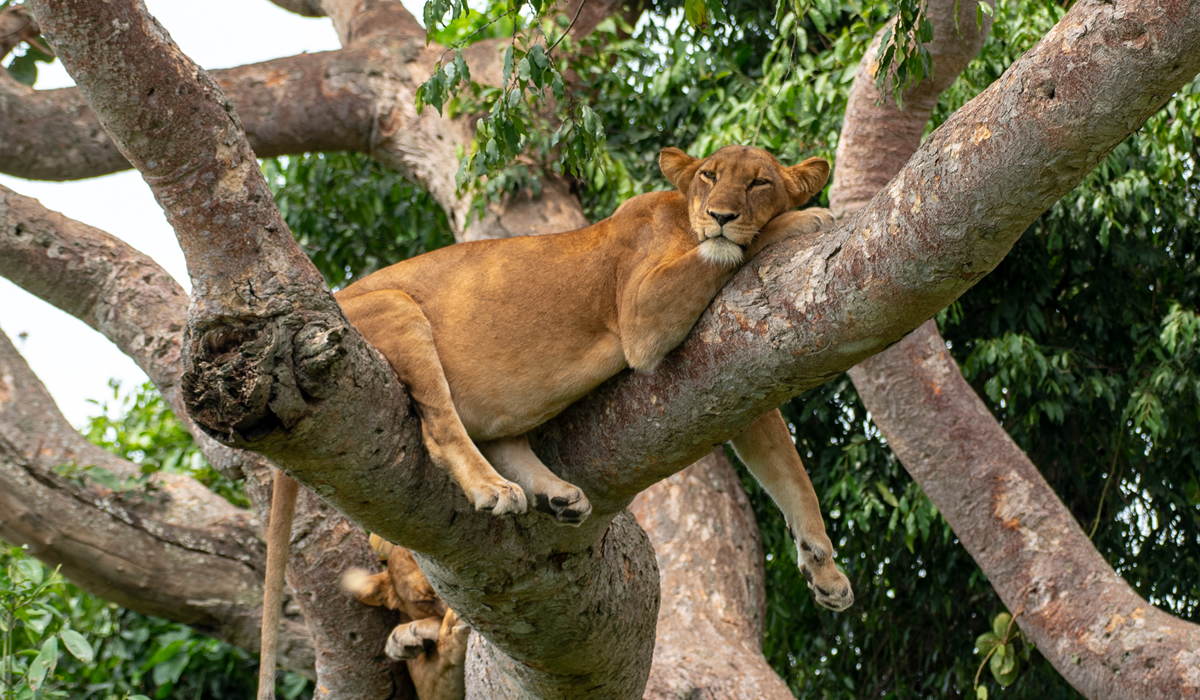
Among Africa’s most extraordinary wildlife experiences is encountering the tree-climbing lions of Uganda. While lions are commonly known as ground dwellers, a special population in Uganda has developed an unusual behavior climbing and lounging in trees! This rare spectacle can be witnessed in the Ishasha Sector of Queen Elizabeth National Park, one of Uganda’s most scenic and wildlife-rich regions.
These majestic cats perched lazily on the branches of fig and acacia trees have become one of the top safari highlights in East Africa, drawing visitors from around the world who come to marvel at this fascinating behavior.
Where to Find Tree-Climbing Lions in Uganda
The Ishasha Sector, located in the southern part of Queen Elizabeth National Park, is the only place in Uganda where you can reliably see tree-climbing lions.
The area lies between Bwindi Impenetrable National Park (home of the mountain gorillas) and the northern Kasenyi Plains, making it a perfect stopover for travelers connecting a classic safari with a gorilla trekking experience.
The Ishasha landscape is characterized by wide savannah plains dotted with candelabra trees, fig trees, and acacias, ideal perches for lions seeking shade and vantage points.
Why Do Lions Climb Trees?
The behavior of tree-climbing lions remains one of nature’s most intriguing mysteries, but several theories attempt to explain it:
- Escape from Heat and Insects:
The Ishasha region can become quite hot during the day. Climbing trees helps lions escape the heat of the ground and the irritating tsetse flies that thrive in the grasslands. - Better Viewpoints for Hunting:
From the branches, lions can scan the savannah for prey such as Ugandan kob, topi, buffalo, and waterbuck, planning their next hunt. - Comfort and Rest:
The wide, horizontal branches of fig and acacia trees offer comfortable resting spots for lions to nap, stretch, and watch over their territory undisturbed. - Inherited Behavior:
Some researchers believe this is a learned behavior passed down from generation to generation within the Ishasha pride, similar to the lions found in Lake Manyara National Park in Tanzania — the only other known population that regularly climbs trees.
Regardless of the reason, watching these powerful cats gracefully balance on tree branches is both rare and mesmerizing.
The Ishasha Experience – A Safari unlike Any Other
Game drives in the Ishasha Sector are a truly unique experience. With fewer tourists than the northern parts of Queen Elizabeth National Park, Ishasha offers an exclusive and tranquil atmosphere.
As you drive across the golden savannah, you’ll see herds of buffalo, elephants, topis, and Ugandan kob grazing peacefully. Suddenly, your guide might point out a lion’s tail dangling from the branch of a giant fig tree a sight that makes every traveler’s heart race with excitement.
The lions of Ishasha are often seen resting in small groups of two to five individuals, sometimes including cubs. Early morning and late afternoon are the best times to spot them, as they tend to climb higher during the hot midday hours.
Wildlife beyond the Lions
While the tree-climbing lions are Ishasha’s main attraction, the region offers plenty more to see:
- Elephants and Buffaloes: Large herds often gather near the Ishasha River, which also marks the border between Uganda and the Democratic Republic of Congo.
- Topi Antelopes: These striking antelopes with reddish-brown coats are commonly seen in Ishasha but rare in other parts of Uganda.
- Hippos and Crocodiles: Found in the Ishasha River, especially near hippo pools and riverbanks.
- Birdlife: Over 600 bird species have been recorded in Queen Elizabeth National Park, including the grey crowned crane, shoebill stork, martial eagle, and African skimmer.
Best Time to See the Tree-Climbing Lions
The lions of Ishasha can be seen throughout the year, but the best time for clear sightings is during the dry seasons from December to February and June to September.
During this time, the grass is shorter, visibility is excellent, and wildlife tends to congregate near water sources, making game drives even more rewarding.
How to Get to Ishasha
Ishasha is located in the southwestern corner of Queen Elizabeth National Park, about:
- 2 hours’ drive from the main Mweya area of Queen Elizabeth National Park
- 5–6 hours’ drive from Kampala or Entebbe via Mbarara
- 1.5 hours’ drive from Bwindi Impenetrable National Park’s Buhoma or Rushaga sectors, making it an ideal stopover between gorilla trekking and savannah safaris.
Alternatively, travelers can take a scheduled flight from Entebbe or Kajjansi Airstrip to Kihihi or Mweya airstrip, followed by a short scenic drive to Ishasha.
Where to Stay – Ishasha Safari Lodges
Ishasha offers a range of comfortable and luxurious safari lodges, each offering spectacular views of the savannah and proximity to lion territories. Some of the most popular accommodations include:
- Ishasha Wilderness Camp: A luxury tented camp set along the banks of the Ntungwe River, blending comfort with wilderness charm.
- Enjojo Lodge: A beautiful mid-range lodge surrounded by lush acacia woodland and frequented by elephants and antelopes.
- Topi Lodge Ishasha: A cozy mid-range option offering easy access to both the park and local community tours.
Many lodges organize guided game drives and nature walks, ensuring guests have the best chances to see the lions and other wildlife.
Combining Ishasha with Gorilla Trekking
One of the best safari combinations in Uganda is pairing gorilla trekking in Bwindi Impenetrable National Park with tree-climbing lion tracking in Ishasha.
After spending time with the gentle giants of Bwindi, travelers can drive through scenic landscapes and reach Ishasha in just a few hours, where they can encounter the majestic kings of the trees making it a perfect blend of primate and savannah experiences.
Conservation of Ishasha’s Lions
Despite their fame, Uganda’s tree-climbing lions face challenges from habitat loss, human-wildlife conflict, and poaching. The Uganda Wildlife Authority (UWA) and conservation partners such as the Uganda Carnivore Program actively monitor and protect these prides through research, community education, and anti-poaching patrols.
Tourism plays a vital role in this conservation effort every visit contributes to protecting these unique lions and their ecosystem.
Why You Shouldn’t Miss Ishasha’s Tree-Climbing Lions
- A Rare Wildlife Phenomenon: Only a few lion populations in the world exhibit tree-climbing behavior.
- Breathtaking Photography Opportunities: Capture unforgettable moments of lions draped elegantly on tree branches against the African sky.
- Uncrowded Safari Experience: Ishasha offers peaceful game drives far from the crowds.
- Convenient Safari Route: Easily connects gorilla trekking in Bwindi with savannah safaris in Queen Elizabeth and Lake Mburo National Parks.
The tree-climbing lions of Ishasha are more than just a wildlife attraction they represent the magic and mystery of Uganda’s wilderness. Watching these magnificent creatures resting high above the ground, framed by the vast African plains, is a moment of pure wonder that stays with you long after your safari ends.
Whether you’re on a luxury Uganda safari or a classic overland tour, a visit to Ishasha Sector to witness the kings of the trees is an essential experience a reminder that Uganda truly is the Pearl of Africa.
Related Posts